In an environment with a surge in cybersecurity threats, reviewing the latest images of high-security servers in the U.S. along with comparisons of their protection configurations helps to provide an intuitive understanding of device deployment, rack layout, and combination of protection strategies. This article is aimed at technical and selection personnel, emphasizing the impact of visualization and configuration differences on the ability to counter attacks.
Images of high-security servers usually show cabinets, fiber optic connections, redundant power supplies, and cooling pathways. Key observation points include line entrance protection, physical isolation, cold aisle design, and camera placement. These visual indicators can quickly reflect the investment made in the physical and basic network security of the server room.
Hardware resilience depends on redundant power supplies, RAID storage, and fast switching chips, while network protection relies on elastic bandwidth, BGP multi-homing, and traffic scrubbing capabilities. A reasonable combination of hardware and network can provide continuous service and rapid switching during attacks.
U.S. high-security nodes often use multiple operator connections and cross-data-center backups, with line redundancy to maintain services in the event of a single failure or attack. Bandwidth elasticity and cleaning thresholds directly affect the ability to handle high-concurrency traffic and the speed of recovery.
DDoS scrubbing, rate limiting, behavior analysis, and Web Application Firewalls (WAF) are common combinations. Different nodes vary significantly in cleaning capability, signature update frequency, and false positive control, and should be compared specifically based on the attack type (UDP/HTTP/SYN).
When choosing a high-defense node in the United States, the impact of the locations of cities such as Los Angeles, New York, and Dallas on latency for target users should be considered. GEO optimization not only affects access speed but also relates to data sovereignty and compliance requirements. Deploying across regions can enhance resilience against attacks and compliance adaptability.
Parameters considered during evaluation include maximum cleaning bandwidth capacity, peak concurrent connections, cleaning latency, rule customization capabilities, and log visualization level. List priorities based on business characteristics, and compare the actual protection capabilities of different high-security configurations using these criteria.
The response time of the operations team, 7x24 traffic alerts, and the frequency of automated scheduling and drills determine the effectiveness of the protection strategy. Visual monitoring dashboards and historical analysis can help quickly identify the source of attacks and optimize protection rules.
Complete traffic mirroring, attack logs, and behavior records are important bases for incident review and legal compliance. When evaluating nodes, it is necessary to confirm the log retention policy, export capabilities, and ease of integration with SIEM/IDS.
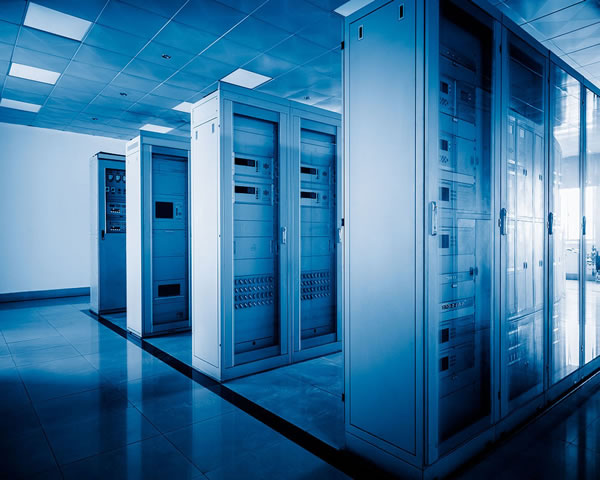
When referring to “Latest US High-Defense Server Image Displays and Protection Configuration Comparison References,” selection should be made based on actual business traffic characteristics, geographic coverage requirements, and compliance constraints. Prioritize multi-line redundancy, resilient cleaning, application-layer protection, and robust operational response. When necessary, use multi-node distributed deployment to minimize single-point risks.
- Latest articles
- A Must-read Cloud Server For Newbies: Vietnam’s Billing Model And Selection List
- Full Process Guide For Purchasing And Performance Optimization Of VPS With Japanese Native IP
- An Explanation Of Vietnam’s Native Residential IP Pool Management And IP Rotation Strategies From The Perspective Of A Service Provider
- When Selecting Locations For Cloud Service Implementation, Consider Network Latency And Bandwidth Conditions In Computer Rooms In India And Germany.
- How To Buy A US VPS With Bitcoin While Protecting Anonymity And Compliance Risks
- Vps Cambodia Connection Domestic Access Speed Optimization And Node Selection Suggestions
- Main Points Of Fault Recovery And Multi-line Redundancy Design Of Hong Kong Telecom’s Direct-connected Computer Room
- Malaysia Vps Recommends Unlocking The Best Node And Configuration Guide For TikTok
- Step-by-step Implementation Of Korean Server And Chinese Email And Log Localization Settings
- Jay Chou Hong Kong Station Group Chat Group Commercial Cooperation Model And Brand Implantation Practical Cases
- Popular tags
-

Usage Scenarios And Cases Of Mobile Hosting Servers In The United States
Discuss the usage scenarios and cases of American mobile hosting servers to help you understand their advantages and applications. -

Scalability Evaluates The Differences In Elastic Scaling Among U.s. Server Hosters
this article analyzes scalability assessment: compares the differences in elastic expansion among us server hosting providers, covering key elements such as architecture, automated scaling, network, storage and compliance, and provides actionable assessment methods and suggestions. -

Comparative Analysis And Evaluation Of The Four Major US Server Production
This article compares the production of four major American servers and helps users choose the right server.